
Escambia County HOA Attorneys
Escambia County's HOAs include historic Pensacola neighborhoods and waterfront communities, plus military-adjacent areas around Pensacola Naval Air Station. The county faces challenges from coastal properties, hurricane preparedness, and military population turnover.
33Licensed Attorneys
PensacolaCounty Seat
Circuit 1Judicial District
Who are the HOA attorneys in Escambia County?
HOALawFinder lists 33 licensed attorneys serving Escambia County communities, including lawyers who work with homeowners associations, condominium associations, board members, and homeowners on Florida community association matters.
Featured HOA Attorneys in Escambia County

Jessica Prince
Wicker Smith O'Hara McCoy & Ford, P.A.
View Profile →

Kathlyn Monroe White
DeMaria, de Kozan & White, PLLC
View Profile →
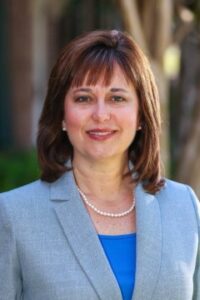
Allison Suzanne Blankenship
Emmanuel Sheppard & Condon
★ Board Certified
View Profile →

Stephen Reid Moorhead
Moorhead Law Group
★ Board Certified
View Profile →
RF
Richard Allen Fillmore
Cole, Scott & Kissane, P.A.
View Profile →
KL
Kramer Allen Litvak
Litvak Beasley & Wilson, LLP
★ Board Certified
View Profile →

Rodney Douglas Goldin Jr.
Goldin Law, P.A.
View Profile →
GF
Gregory Patrick Fayard
Emmanuel Sheppard & Condon
View Profile →

Sharon Delene Regan
Sharon Delene Regan, Attorney At Law
View Profile →

Holly Vigodsky Jurnovoy
Emmanuel Sheppard & Condon
View Profile →
JA
John Hardy Adams
GrayRobinson, P.A.
★ Board Certified
View Profile →

Brian Wesley Hoffman
Carver, Darden, Koretzky, Tessier, Finn
★ Board Certified
View Profile →
Local HOA Legal Context
Use this county guide for local dispute context, common document issues, and related Florida HOA resources after comparing attorney profiles.
Escambia County is anchored by Pensacola, a historic Gulf Coast city with growing tourism and military presence (Naval Air Station Pensacola). The county's HOA landscape reflects this character: historic Pensacola neighborhoods with retrofit HOAs, upscale waterfront and beach communities (Pensacola Beach, Gulf Breeze), suburban neighborhoods, naval-adjacent communities, and less-developed rural areas. Escambia attracts military families, retirees, professionals, and tourism-related workers.
What characterizes Escambia HOAs? A significant military population (creating resident turnover and specific expectations), waterfront and beach properties requiring hurricane preparedness and coastal maintenance, historic neighborhoods with preservation concerns, and moderate governance sophistication. Military families often bring expectations of clear governance and quick decision-making. Waterfront properties face salt-air deterioration, insurance pressures, and hurricane-related building code requirements. Common disputes involve: hurricane preparedness and insurance cost pressures, special assessments for building maintenance and repairs, architectural enforcement in established neighborhoods, disputes over historic preservation requirements, and amenity maintenance in waterfront communities.
The 1st Judicial Circuit (Escambia County) is moderately experienced in HOA litigation. Judges are generally knowledgeable about HOA law. The court respects military community dynamics and understands the unique challenges waterfront communities face.
What to Look For in a Escambia County HOA Attorney
Look for an attorney with experience in the 1st Judicial Circuit and familiarity with Escambia's military, waterfront, and historic community dynamics. Board certification in real estate law is valuable. Experience with waterfront/coastal properties and hurricane preparedness is particularly useful.
The attorney should understand Escambia's specific characteristics: the significant military population and its governance implications, waterfront and coastal property issues, hurricane preparedness and insurance concerns, historic preservation requirements in Pensacola, salt-air building deterioration, and local court practices. Understanding both military and civilian governance is useful.
Frequently Asked Questions
Our Escambia waterfront community faces rising flood insurance costs due to changing FEMA flood maps. Can the board shift costs to waterfront properties?
Possibly. If flood insurance costs are significantly different between waterfront and non-waterfront properties, differential assessment may be legally permissible. This requires clear documentation of the cost differential and governing document language supporting differential assessment. Some Escambia communities use "risk-based" assessments allocating costs proportionate to actual insurable value or flood risk. Consult an attorney to structure a defensible differential assessment. Courts recognize that waterfront properties legitimately bear higher insurance costs; the challenge is documentation and member communication.
Our Escambia HOA has a military population with frequent resident turnover. What governance issues should the board consider?
Military families often expect clear, documented governance; transparent financial management; and responsive board communication. The frequent turnover means boards must: maintain clear written records and policies (military families may stay only 2-3 years); communicate decisions clearly in writing; and avoid informal governance that confuses new residents. Ensure meeting notices and financial reports are detailed and accessible. Consider having an attorney review governing documents for clarity. Military communities benefit from professional property management and clear governance structures.
Our Escambia beach community's seawall has suffered hurricane damage. What's the timeline for repairs and member notification?
Hurricane damage requires immediate assessment and documentation. Engage a marine engineer promptly to assess safety and repair needs. If the damage is catastrophic, emergency repairs may be necessary before member assessment completion. Document the damage with photos and engineer reports. Notify members of the damage, proposed repairs, and cost implications. Most Escambia courts expect boards to address hurricane damage promptly while ensuring proper process. Provide detailed disclosure to members of cost estimates and funding approach. Insurance claims should be pursued simultaneously.
Need an HOA Attorney in Escambia County?
Browse all 33 licensed attorneys serving Escambia County communities.
View All Attorneys