
Seminole County HOA Attorneys
Seminole County's HOAs include both established neighborhoods with mature governance and newer planned communities transitioning from developer control. The county has significant lakefront properties and architectural enforcement challenges.
38Licensed Attorneys
SanfordCounty Seat
Circuit 18Judicial District
Who are the HOA attorneys in Seminole County?
HOALawFinder lists 38 licensed attorneys serving Seminole County communities, including lawyers who work with homeowners associations, condominium associations, board members, and homeowners on Florida community association matters.
Featured HOA Attorneys in Seminole County

Sierra Simone Scott
BrewerLong PLLC
View Profile →
SS
S Avery Smith
View Profile →
MP
Mandy L Pavlakos
Law Office of Mandy Pavlakos, P.A.
View Profile →

Alan Schwartzseid
Kaye Bender Rembaum, PL
★ Board Certified
View Profile →

Jeffrey Lawrence Kaplan
Kaplan Law Firm, P.L.
View Profile →

Michael Edward Long
BrewerLong PLLC
View Profile →
DD
Diana Maria Coronel David
Coronel David Law Firm, P.A.
View Profile →

Shivon Patel
The Principal Law Firm, P.L.
★ Board Certified
View Profile →
KH
Kristy Lynn Harrington
Law Office of Kristy L. Harrington, P.A.
View Profile →

Andrew David FitzPatrick
Kyle & Kyle, PLLC
View Profile →
AS
Athenia Celestine Singleton
My Florida Lawyers, P.A.
View Profile →
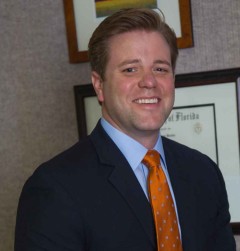
Stuart Jessup Barks
Barks Law Firm
View Profile →
Local HOA Legal Context
Use this county guide for local dispute context, common document issues, and related Florida HOA resources after comparing attorney profiles.
Seminole County stretches from the St. Johns River through central Florida to the county's suburban edges. You'll find established neighborhoods in Sanford and surrounding areas, upscale residential communities in Winter Springs and Winter Park, master-planned suburbs like Heathrow and Lake Mary, lakefront properties throughout, and newer development on the county's edges. The county's HOA landscape reflects both historic communities and newer planned developments, with wide variation in governance maturity and sophistication.
What defines Seminole County HOAs? An interesting blend of established neighborhoods with mature boards and newer planned communities still transitioning from developer control. Many older Seminole HOAs have strong governance traditions and engaged residents. Newer communities are often professionally managed but still navigating board election transitions. Common disputes involve: special assessments for infrastructure improvements (roads, utilities, entry features), disputes between strict architectural enforcement and resident expectations for modification, conflicts during developer transitions, amenity disputes (particularly in communities with private lakes, pools, or recreation facilities), and aging building and common area maintenance issues.
The 18th Judicial Circuit (includes Seminole County) is moderately experienced in HOA litigation. The court handles substantial HOA cases, particularly from fast-growing areas. Judges are generally knowledgeable about HOA law. Local practice expects careful documentation and procedural compliance.
What to Look For in a Seminole County HOA Attorney
Look for an attorney with experience in the 18th Judicial Circuit and familiarity with Seminole's mix of established and newer communities. Board certification in real estate law is valuable. If your community is newer, seek experience with developer transitions. If established, seek experience with mature governance issues and architectural disputes.
The attorney should understand Seminole's specific characteristics: the split between older, well-established neighborhoods and newer planned communities, the prevalence of lakefront properties and associated maintenance/liability issues, architectural expectations in higher-end communities, and local court practices. Understanding both volunteer boards and professionally-managed associations is useful.
Frequently Asked Questions
Our Seminole lakefront community's lake needs dredging (environmental and maintenance). Who pays and what's the process?
Determine ownership first: does the HOA own the lake? Does a separate lake association? Is it publicly owned? Review your documents carefully. If the HOA owns it, you bear the cost, typically through special assessment. Dredging requires environmental permits (Florida Department of Environmental Protection, Water Management Districts). The cost can be substantial ($50K-$500K+ depending on size). Most Seminole communities develop a funded plan over 3-5 years. Consult an environmental attorney and your HOA attorney together. Don't start dredging without permits.
Can our Seminole HOA board deny a homeowner's request to modify their landscaping to native Florida plants, even though it's less formal than current restrictions?
Generally no, if the modification is reasonable and meets documents' basic standards. Florida increasingly favors native plant landscaping for environmental and water conservation reasons. Many courts recognize this as a valid reason to approve modifications that deviate from strict architectural standards. If documents allow "residential landscaping" without specific plant requirements, denying native plants is likely unreasonable. Document your architectural standards clearly. If they're overly restrictive, consider amending them. Consult an attorney before denying landscaping modifications.
Our Seminole HOA is transitioning from developer control, but the developer hasn't completed promised amenities (pool, clubhouse). What are our options?
You may have claims for breach of contract or declaratory judgment seeking to compel completion. Review the documents for specific promises and timelines. Document the developer's delay in writing. Consult an attorney immediately to: evaluate claims, send a formal demand letter to the developer, and consider litigation if the developer is unresponsive. If amenities are essential to the community, litigation may be necessary. However, if the developer is financially troubled or defunct, recovery may be difficult. An attorney can assess your specific situation and likelihood of recovery.
Need an HOA Attorney in Seminole County?
Browse all 38 licensed attorneys serving Seminole County communities.
View All Attorneys